Posts
Posts


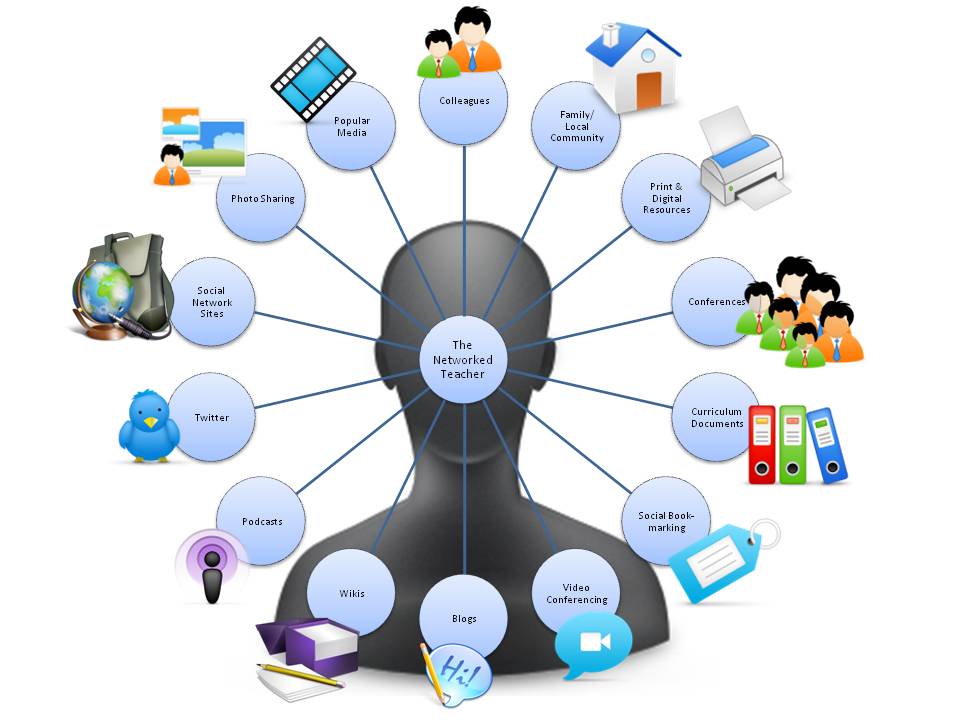
 I really enjoyed this class- not only did we discuss, collaborate and learn about technology options, we used them regularly. It was nice to be able to make our own assessments based on the experience and not just from watching tutorials or being pushed to try one option over another. The explorations of wikis, Diggo, Google Docs as well learning about integrating technology such as iPods and iPads, I found beneficial to expanding my skill set, but also realize how far behind our school district is in leveraging these tools in the class room compared to other school districts.
 From this course I am taking with me the following information and assets - creating curriculum maps using wikis, for each grade level and subject matter, as well as promoting to our staff to research and apply for grants to help us slowly bring our classrooms up to par with those around us. My perspective now is that we need to provide for our students and need to try to get what we can in these difficult times and slim budgets that we are experiencing here in my school district. I hope that as I share these tools with my staff and peers we can not only increase our students use of technology through blogs and free Web 2.0 resources, but that we can also minimize our reliance on paper /pencils and move more towards a paperless environment that have a wide variety of advantages from cost savings to becoming a more "green" school.
I also admit that when I first watched the videos and saw what various schools both public and private were doing, I felt a very high level of frustration because of how behind and restricted the school district is. As I started to see the amount of free resources available, I started brainstorming more creative tactics and will slowly start introducing these ideas to staff, students and peers to do the best we can with what we've got. I hope that as I start to enforce the use of wikis for use of social studies and science curriculums my staff will see the benefits and extend the tools to their work as well as with their students.